
In this Sunday’s Gospel (Matthew 28:16–20), we hear something that seems surprising: “When they saw him, they worshiped, but they doubted.” They doubted. Even the first disciples, the ones who walked with Jesus and followed Him after His Resurrection, still struggled with doubt.
This is not the first time we hear about doubt after the Resurrection. In fact, just a few weeks ago, on the Second Sunday of Easter, we read the story of Thomas. Thomas doubted without seeing Jesus, but this time, it’s different. Here, the disciples are actually looking at Jesus, and they still doubt. It doesn’t seem to make sense.
It’s easy to get into the mindset that, to have faith, we can’t doubt. But I think scripture is trying to tell us that doubt is not the opposite of faith; it can be part of it.
A few weeks ago, I wrote an article titled “It’s OK to Challenge Your Faith” that went out in our Monday Inspiration email blast. In it, I reflected on something that Fr. Ron has preached about a few times recently: having an “adult faith” and how that idea has helped me in my own spiritual journey.
Many of you reading this might assume that people like me, who work for the Church, have a rock-solid faith—that we accept and follow every teaching without question. However, for me, at least, the older I get, the more I find myself asking questions: Why do we believe what we believe? Am I living it the way I’m supposed to?
At times, I’ve even felt ashamed of those thoughts or frustrated with myself—and sometimes even with God. I’ve questioned whether I’m doing the right thing with my life, whether it matters, and whether I’m serving Him in the way He intends.
But in a recent homily, Fr. Ron talked about how challenging your faith can actually be healthy. He described the difference between what he called a “childlike faith,” where someone simply accepts everything they are told, and an “adult faith,” which wrestles with questions and seeks deeper understanding. Hearing that really helped. It reassured me that the feelings I sometimes have are not only acceptable but actually a part of growing in faith.
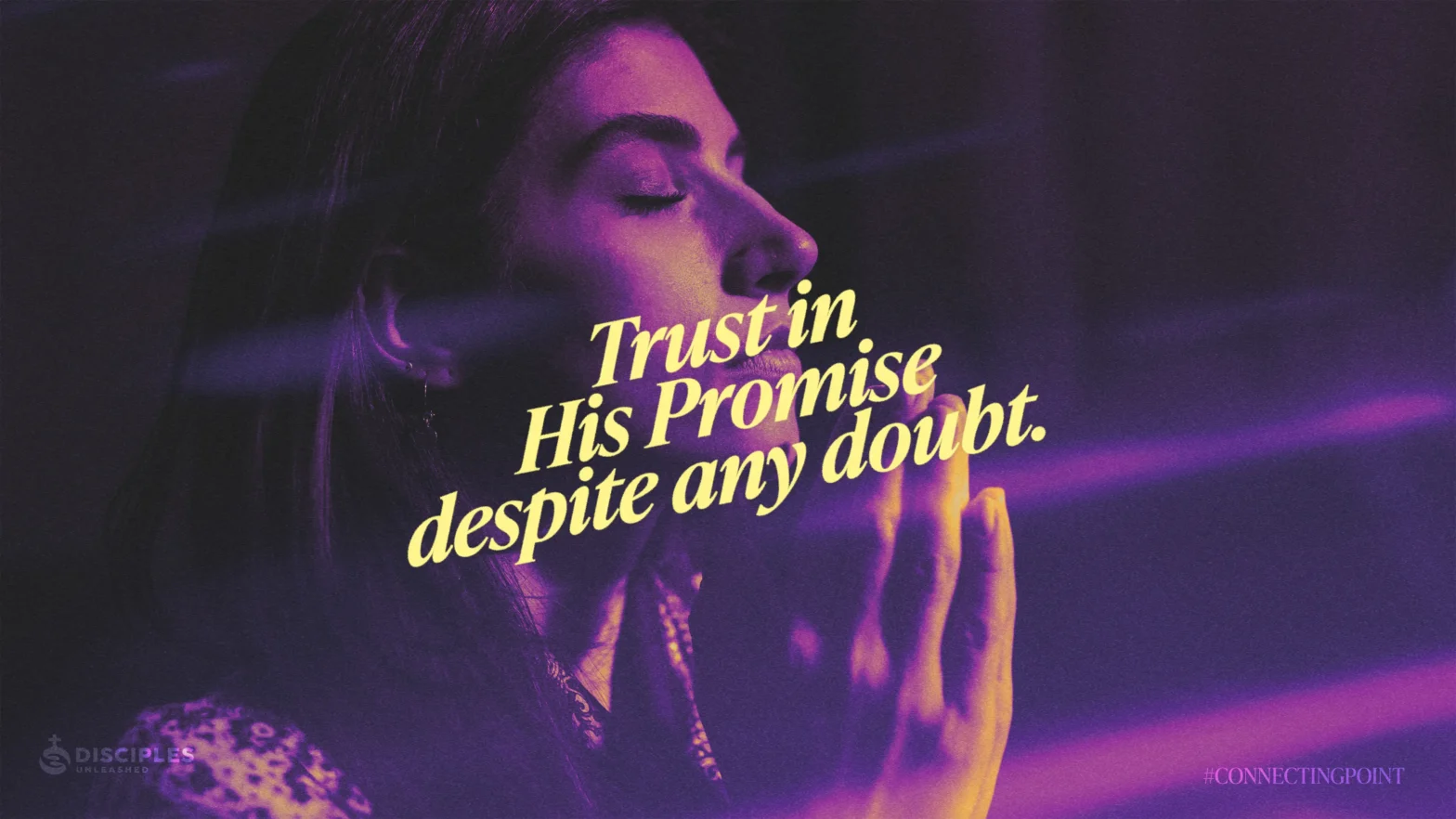
Faith is about trusting God’s promise, even when questions remain. And what is that promise? “I am with you always” (Matthew 28:20).
In the Ascension, Jesus is no longer physically present with the disciples. The mission is now theirs. They don’t have all the answers, and they still have doubts, yet they are called to move forward, not because everything is clear but because they trust Jesus, who sent them.
Whenever I have had these moments of questioning, God eventually finds a way to remind me of my purpose. For me, that often means taking those challenging thoughts and using them, along with the creative skills He has given me, to help connect with others who wrestle with similar questions about faith.
So, if you find yourself questioning, don’t be discouraged. Keep asking. Keep seeking. But also keep trusting in His promise because even in the middle of doubt, God’s promise remains the same: He is with you always.